
How to Build an Art Portfolio | A Guide for Students and Artists
Creating an art portfolio can feel overwhelming at first. Many students believe they need years of experience or only perfect artworks to begin. In reality, a strong portfolio is built through selection, consistency, and showing your artistic development.
If you’re wondering how to build an art portfolio, the goal is not to include everything you create—it’s to present your strongest and most representative work.
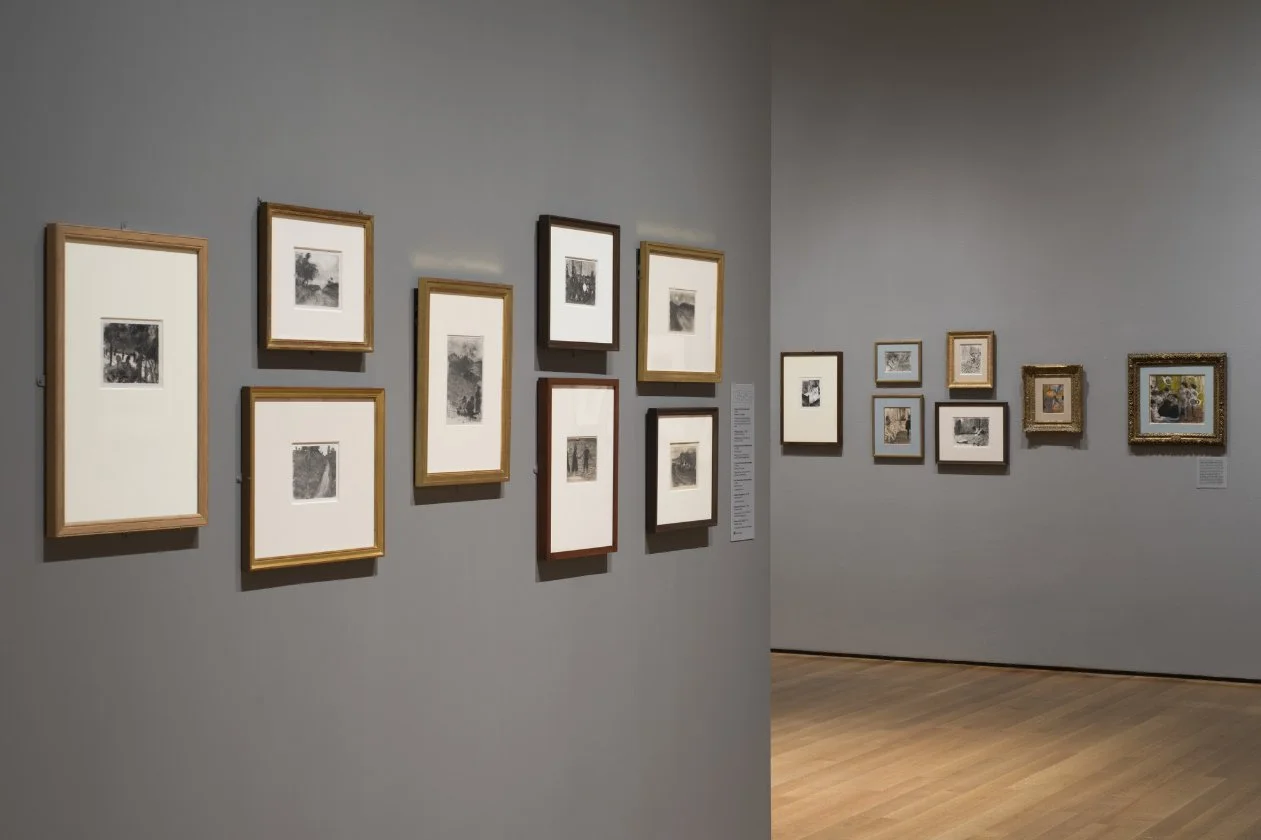
Start with Quality, Not Quantity
A portfolio should highlight your abilities without becoming overwhelming.
A good starting point is:
10–20 carefully selected artworks
a variety of subjects and techniques
recent work that reflects your current level
Choose pieces that show both technical skills and creativity.
Include Different Types of Work
Strong portfolios often demonstrate range.
Consider including:
observational drawings
paintings
sketchbook studies
personal projects
experimental work
This helps show your process, not only final outcomes.
Organize Your Portfolio Thoughtfully
Structure matters.
Arrange your work to create a clear progression:
Start with a strong piece
Group similar styles or themes
End with memorable work
If presenting digitally, use high-quality photographs and consistent formatting.
Show Development and Personal Voice
A portfolio should reflect more than technical ability.
Include work that demonstrates:
creative thinking
visual storytelling
experimentation
artistic interests
Admissions teams, instructors, and viewers often value growth and originality as much as finished results.
Build Your Portfolio Over Time
A great portfolio is not created in one week—it develops through regular practice and feedback.
At our private art school, students build portfolios both in Cluj-Napoca and online internationally, receiving guidance tailored to teenagers and adults at different stages of their artistic journey.
Your portfolio is more than a collection of artworks—it tells the story of how you see and create.