
Best Museums to Visit in Europe | Inspiration for Art Lovers
Visiting museums is one of the most powerful ways to develop artistic taste, train observation, and find creative inspiration. Whether you draw, paint, or simply enjoy visual culture, experiencing artworks in person offers something that images cannot fully reproduce.
If you’re looking for the best museums to visit in Europe, these destinations belong on every art lover’s list.
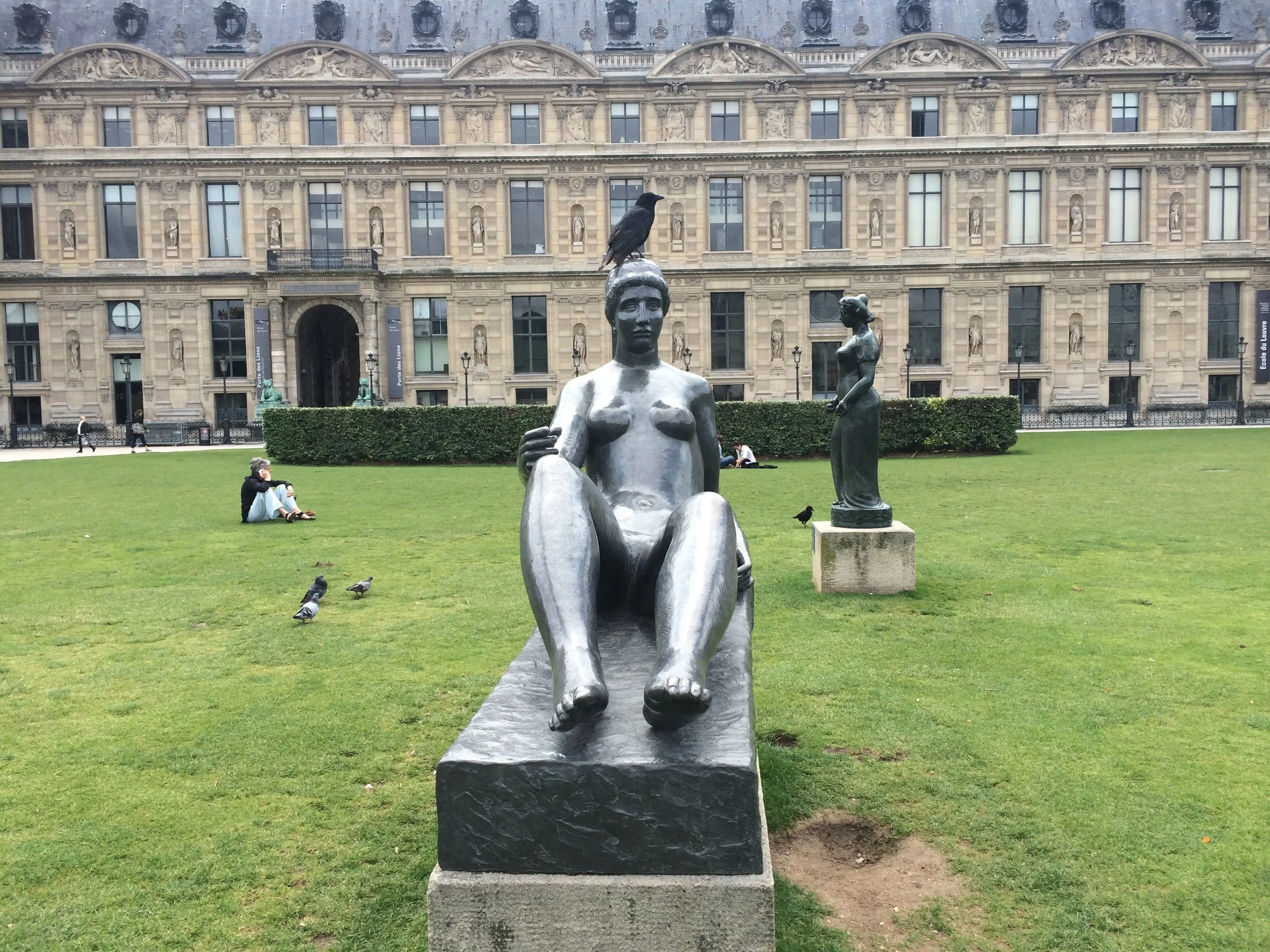
1. The Louvre – Paris, France
One of the world’s most famous museums, the Louvre offers an extraordinary journey through centuries of artistic history.
Highlights include:
classical sculpture
Renaissance masterpieces
large-scale historical paintings
iconic works from multiple civilizations
A visit here helps students understand composition, technique, and artistic evolution.
2. Museo del Prado – Madrid, Spain
Known for its exceptional European collection, the Prado is essential for anyone interested in traditional painting.
Visitors discover:
dramatic use of light
portrait techniques
historical storytelling through art
3. Uffizi Gallery – Florence, Italy
Florence remains one of Europe’s artistic capitals, and the Uffizi is a must for understanding the Renaissance.
The museum offers insight into:
drawing foundations
color harmony
artistic innovation across centuries
4. Rijksmuseum – Amsterdam, Netherlands
This museum combines fine art, history, and design.
Students often find inspiration in:
detail and realism
composition
visual narrative
5. Tate Modern – London, United Kingdom
For those interested in contemporary art, Tate Modern explores modern ideas and experimental approaches.
It encourages visitors to think differently about creativity and artistic expression.
Why Museums Matter for Artists
Studying artworks in person improves observation, broadens visual culture, and inspires new ideas.
At our private art school, students join both in Cluj-Napoca and online internationally, combining practical art education with exposure to global artistic influences.
Great artists don’t only create—they also learn by observing the work of others.